Medieval Europe · 793–c. 1066
Who Were the Vikings? Raiders, Traders and Settlers
In short
- The raid on Lindisfarne in 793 shocked Christian Europe, though Scandinavians were already known as traders.
- Vikings raided, traded and settled from Dublin and Normandy to the rivers of Russia, and reached North America by 1021.
- Horned helmets are a 19th-century myth; the evidence shows farmers, merchants and lawmakers as well as raiders.
The year began, says the Anglo-Saxon Chronicle, with flashes of lightning and fiery dragons in the skies over Northumbria. Then “the raiding of heathen men miserably devastated God's church in Lindisfarne island by looting and slaughter”. It was 793, and the people we call Vikings had entered written history.
Holy Island
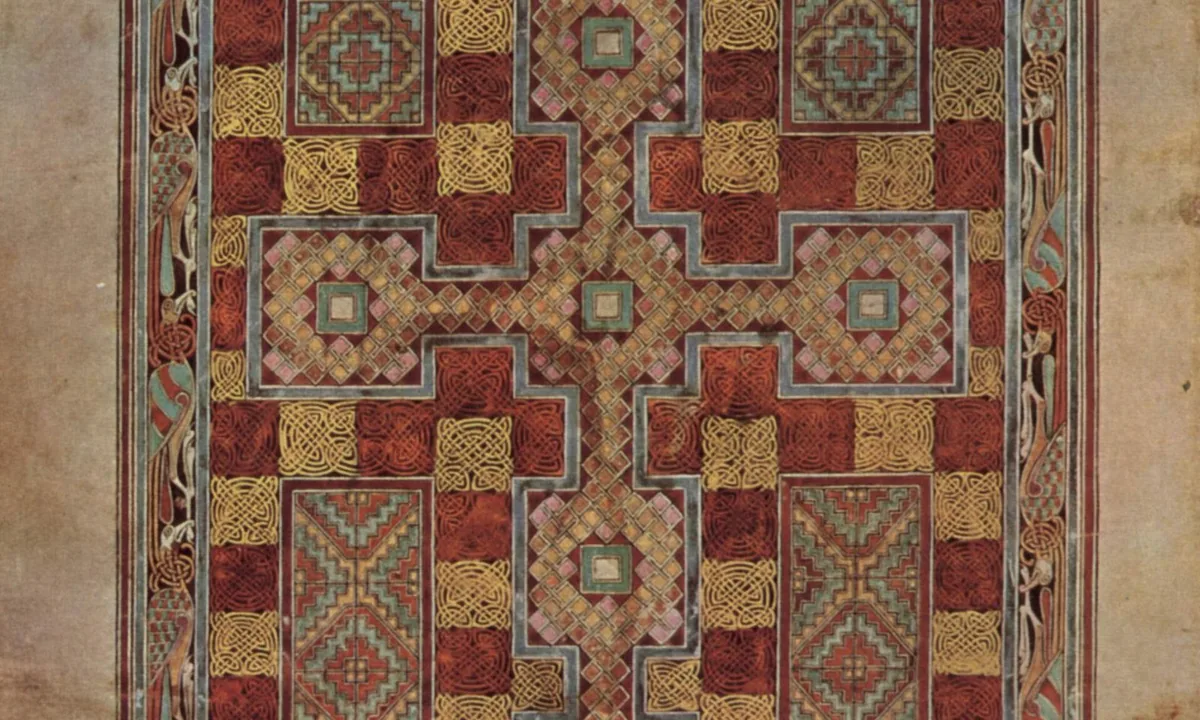
Lindisfarne, a tidal island off the Northumbrian coast, had been a monastery since 635. It held the shrine of St Cuthbert and books such as the Lindisfarne Gospels, made there around 700. The raiders who came by sea killed monks, carried off treasure and took captives to sell as slaves.
The Chronicle dates the raid to 8 January, but most historians read it as 8 June, since few ships crossed the North Sea in winter. Nor was it quite the first attack. A few years earlier, in the reign of King Beorhtric of Wessex, three ships had landed at Portland in Dorset, and their crews killed the royal official who rode down to meet them, thinking they were traders.

A scholar's horror
At Charlemagne's court, Alcuin wrote to King Æthelred of Northumbria that nothing like it had ever been seen in Britain. To him the raid was God's punishment, and he urged the Northumbrians to examine their sins, including their habit of copying the haircuts and beards of the heathens.
That detail matters. The English already knew what Scandinavians looked like; they had traded with them for years. What shocked them was violence against a holy place that Christians assumed even enemies would spare.
Why they came
“Viking” was an activity, not a nationality: to go a-viking meant to raid by sea. Most Scandinavians stayed at home and farmed. The raiders came from what are now Norway, Denmark and Sweden, and why they set out is still argued.
Part of the answer is opportunity. Monasteries were rich and undefended, and western Europe was full of silver. Scandinavians had developed fast, shallow-draught ships with sails that could cross open sea and row up rivers. At home, kings were concentrating power, and ambitious men who lost out looked abroad. Some archaeologists add a more speculative idea: where powerful men took several wives, young men without brides needed wealth and a name, and raiding offered both.

From Dublin to the Volga
Raiding turned into settlement. Norse crews built a fortified base at Dublin in 841. A great army landed in England in 865 and conquered much of it; the north and east became known as the Danelaw. In 911 the Frankish king granted land around Rouen to a Viking leader called Rollo: the beginning of Normandy.
Swedes travelled east along the rivers of what are now Russia and Ukraine, where they were called Rus, trading furs and slaves for Arab silver; Scandinavian hoards contain tens of thousands of Islamic coins. Others settled Iceland from about 870 and Greenland from about 985. At L'Anse aux Meadows in Newfoundland, tree rings show that Norse visitors cut wood with iron tools in 1021, nearly five centuries before Columbus.

No horns, plenty of combs
The horned helmet is a 19th-century invention, fixed in the popular imagination by Carl Emil Doepler's costumes for the first complete staging of Wagner's Ring cycle at Bayreuth in 1876. The only near-complete Viking-Age helmet yet found, from Gjermundbu in Norway, is a plain iron cap with a guard around the eyes.
Archaeology also undercuts the image of unwashed savages. Combs are among the commonest finds in Viking graves and towns. Icelanders met in an open-air assembly, the Althing, from about 930 to make laws and settle disputes. The raiders were real, and so were the farmers, merchants, poets and lawmakers.

In their own words
“Lo, it is nearly 350 years that we and our fathers have inhabited this most lovely land, and never before has such terror appeared in Britain as we have now suffered from a pagan race, nor was it thought that such an inroad from the sea could be made. Behold, the church of St Cuthbert spattered with the blood of the priests of God, despoiled of all its ornaments.”
Alcuin of York, Letter to King Æthelred of Northumbria, 793
Translation by Dorothy Whitelock, English Historical Documents, vol. 1 (1955). Alcuin wrote from the Frankish court, where he lived as Charlemagne's leading scholar; the “350 years” counts from the arrival of the Anglo-Saxons in Britain.
Why it happened
- Western monasteries and trading towns held portable wealth and were poorly defended.
- Scandinavian shipbuilders had developed sailing ships that could cross the North Sea and navigate rivers.
- Competition for power at home pushed ambitious leaders to seek wealth and followers abroad.
What happened next
- Viking armies conquered much of England in the 860s–870s, creating the Danelaw.
- Rollo's grant of 911 created Normandy, whose duke would conquer England in 1066. Read the story →
- Norse voyages reached Iceland, Greenland and, briefly, North America around 1000.
Why it still matters
Every time an English speaker says “they”, “them” or “their”, they are speaking Old Norse: the pronouns replaced their Old English equivalents after the Danish settlements. Map the English towns ending in -by, Norse for farm or village, such as Grimsby, Derby and Whitby, and you are tracing the Danelaw.
Key people
- Alcuin of York
- Northumbrian scholar at Charlemagne's court who wrote the best-known reaction to the raid
- Æthelred I of Northumbria
- King to whom Alcuin wrote after Lindisfarne; murdered in 796
- Rollo
- Viking leader granted land around Rouen in 911; ancestor of the dukes of Normandy
- Leif Eriksson
- Greenlander who, according to the sagas, sailed to “Vinland” in North America around 1000
Key terms
- Viking
- From Old Norse víking, a raiding voyage; a víkingr was someone who took part. It described an activity, not a people.
- Longship
- A long, narrow Scandinavian warship with oars and a square sail, light enough to sail up rivers and land on beaches.
- Danelaw
- The north and east of England, settled by Danes from the late 9th century and governed by their customs.
- Rus
- Name given to Scandinavian traders and rulers in eastern Europe; the origin of the names Russia and Belarus.
- Althing
- Iceland's general assembly, founded around 930, where free men met each summer to make law and settle disputes.
Test yourself
Viking warriors wore horned helmets into battle.
- True
- False
Show the answer
False. No Viking-Age helmet with horns has ever been found. The image comes from 19th-century art and from costumes designed for Wagner's Ring cycle in 1876.
The full lesson in the app ends with 5 questions like this one.
Connected stories
- Charlemagne: An Emperor in the West Again: Alcuin heard the news at Charlemagne's court, and Viking fleets later raided the Frankish rivers, besieging Paris in 845 and 885–86.
- 1066: The Norman Conquest: Normandy, granted to Rollo in 911, launched the conquest of England in 1066.
Frequently asked questions
Why did the Vikings start raiding?
Western monasteries and trading towns held portable wealth and were poorly defended. Scandinavian shipbuilders had developed sailing ships that could cross the North Sea and navigate rivers. Competition for power at home pushed ambitious leaders to seek wealth and followers abroad.
What did the Viking Age change?
Viking armies conquered much of England in the 860s–870s, creating the Danelaw. Rollo's grant of 911 created Normandy, whose duke would conquer England in 1066. Norse voyages reached Iceland, Greenland and, briefly, North America around 1000.
Where is the only confirmed Norse site in the Americas?
L'Anse aux Meadows, Newfoundland. Excavations at L'Anse aux Meadows in the 1960s found Norse buildings and objects. In 2021 tree-ring analysis showed that wood there was cut with metal tools in the year 1021.
What is the main primary source for “The Viking Age: Raiders, Traders, Settlers”?
Alcuin of York, Letter to King Æthelred of Northumbria (793). Translation by Dorothy Whitelock, English Historical Documents, vol. 1 (1955). Alcuin wrote from the Frankish court, where he lived as Charlemagne's leading scholar; the “350 years” counts from the arrival of the Anglo-Saxons in Britain.
Sources
- The Anglo-Saxon Chronicles, entries for 789 and 793, translated by Michael Swanton (1996)
- Dorothy Whitelock (ed.), English Historical Documents, vol. 1, c. 500–1042 (1955), Alcuin's letters
- Neil Price, Children of Ash and Elm: A History of the Vikings (2020)
- Margot Kuitems and others, “Evidence for European presence in the Americas in AD 1021”, Nature (2021)
Images are credited under each picture. Paintings and photographs come from public collections via Wikimedia Commons; scenes with no surviving image are marked as illustrations.
